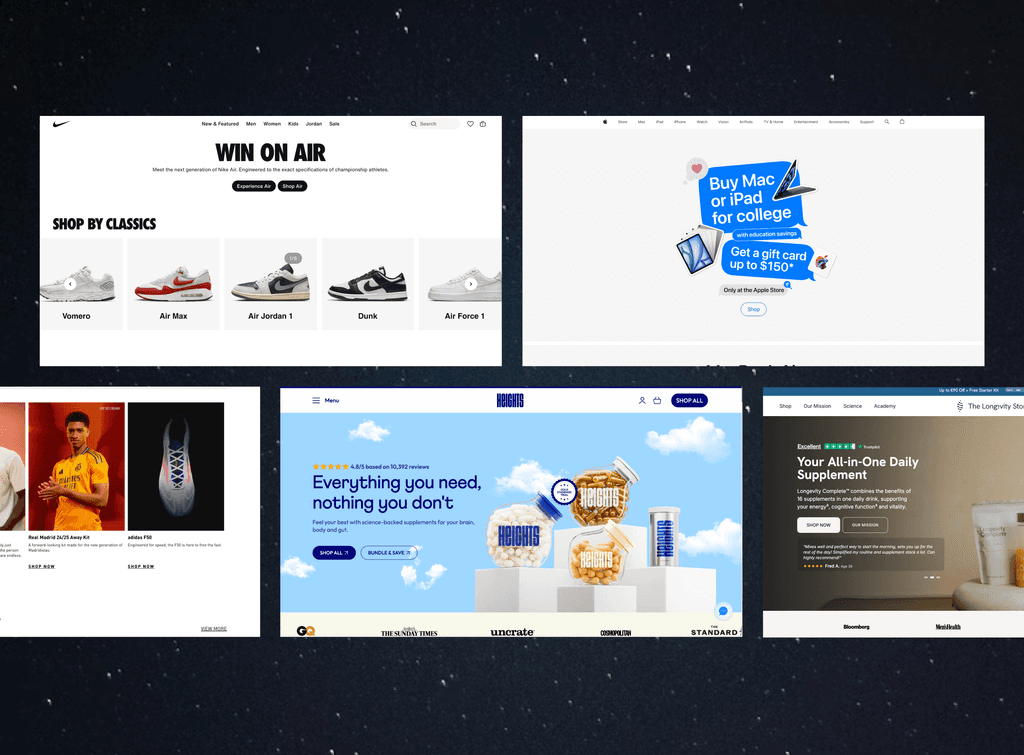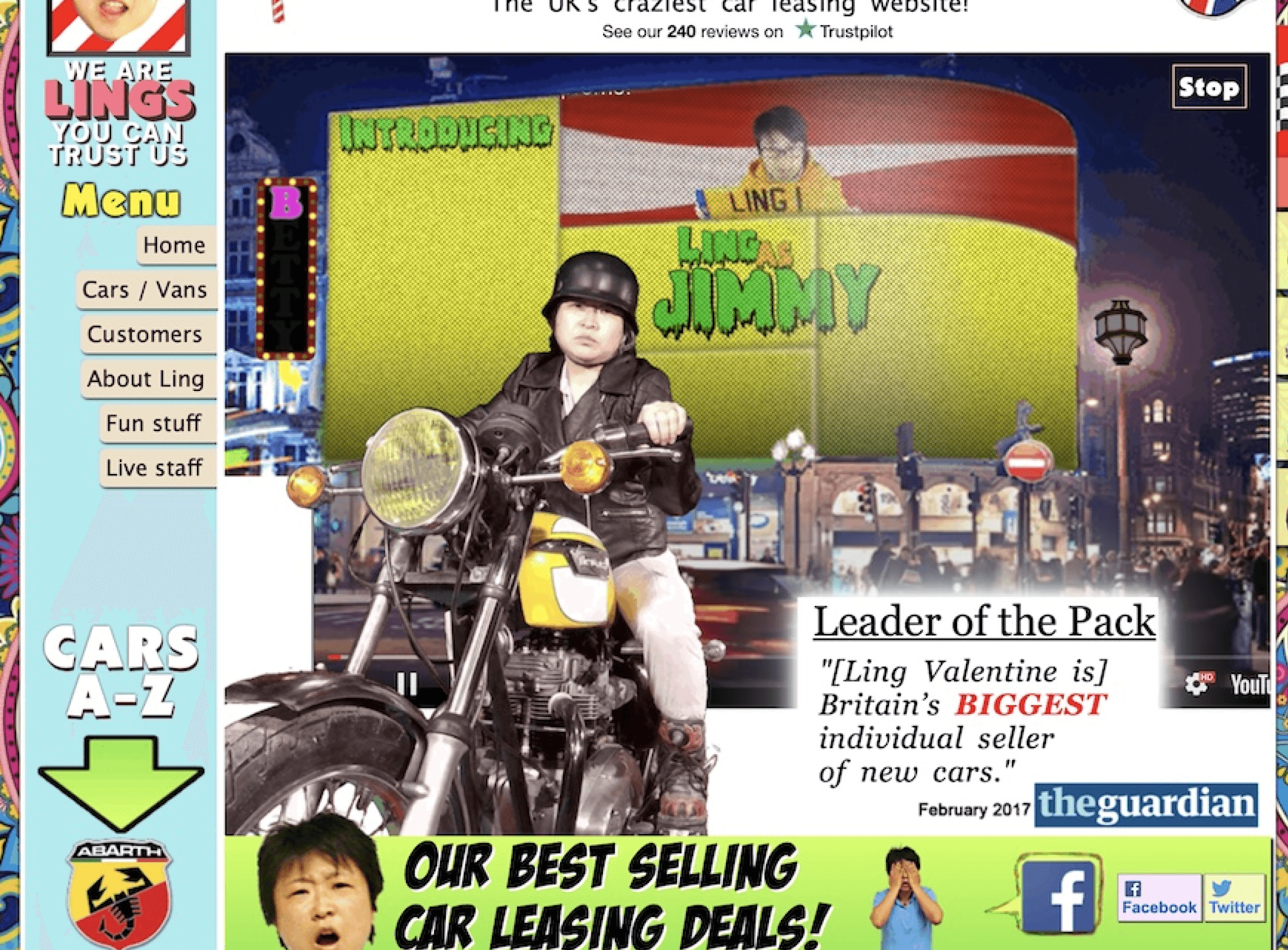
Every DTC brand has a positioning strategy. Almost none of them actually work. What most founders really have is a product they believe in, a Shopify store, and a vague sense that their target audience is "health-conscious millennials." That is not a positioning strategy. That is a prayer with a checkout button.
Real positioning is a deliberate decision about what space your brand owns in a customer's mind - and just as importantly, what space it walks away from. It is the difference between being chosen and being scrolled past. Without it, you compete on price. With it, you compete on meaning. Those are different games. One has a finish line. The other has a race to the bottom.
The Real Cost of Skipping It
Founders avoid positioning because it feels abstract and unsexy. You cannot put it in a dashboard. You cannot A/B test it the week you launch. So instead they spend on Meta ads, hire a designer, and ship the product. Tangible. Measurable. Built on sand.
Here is what that actually looks like in practice. Ad copy goes generic because nobody can say what makes the brand different. The design brief says "clean and minimal" because there was nothing more specific to give the designer. The homepage converts at 1.2% because visitors cannot answer one question in six seconds: why you instead of them?
We have worked with brands that burned through 50K in acquisition before anyone asked that question out loud. Traffic was fine. Intent was there. The brand just could not close - because when everyone looks the same, nobody wins, they just go cheaper.
The best DTC brands do not start with "how do we get more traffic." They start with "what do we want to be known for." That order is everything.
A Positioning Framework That Fits on One Page
No 40-slide deck. No agency offsite. Five components on a single page.
Target Customer: Not a demographic. A person with a specific, felt problem. "Women 25–40" is an audience. "First-time mothers drowning in contradictory baby skincare advice" is a target. One of these writes ad copy. The other fills a cell in a spreadsheet.
Market Category: What shelf does your brand live on in the customer's mind? "Premium olive oil" placed in the everyday luxury pantry category earns more trust, commands a higher price, and means something. "Food product" means nothing and earns the same.
Key Differentiator: One thing that makes you different - not better, different. Better is a claim anyone can make on a Tuesday. Different is a position only you can hold. Single-origin, harvest-dated, traceable to one farm is a position. "Premium quality" is a font choice.
Proof Points: The differentiator has to be real and demonstrable. Certifications, radical transparency, verifiable results. Because a differentiator without proof is not positioning - it is just poetry.
Brand Promise: The emotional outcome, not the product feature. "You will never guess what's in your skincare again" lands harder than "all-natural ingredients." One is a transformation. The other is a bullet point from a supplier deck.
When these five align, ad copy writes itself, briefs get specific, and websites actually convert. The framework is not the work - it is the clarity that makes all the other work function.
Three Questions That Expose Weak Positioning
These are faster than any audit and far more honest.
Remove your logo from your homepage. Could a stranger identify it as your brand? If not, you do not have positioning - you have a color palette.
Ask five people on your team what the brand stands for. Do the answers rhyme? If not, positioning lives inside the founder's head, which is a terrible place to run a brand from.
Would your customer still choose you if a competitor dropped their price 20%? If the only answer is "probably not" - you do not have a brand. You have a discount waiting to happen.
Three yes: it is working. Two: close, tighten it. One: a serious gap. Zero: stop running ads. Seriously. Stop.
Where to Start
Fill out the one-page framework. Not perfectly - honestly. Show it to five customers, two teammates, and one person who has never heard of your brand. What they reflect back tells you more than any agency presentation ever will.
If you want that foundation built properly the first time, our Growth Blueprint does exactly this work. One page. Total clarity. The foundation that makes everything else actually stick.